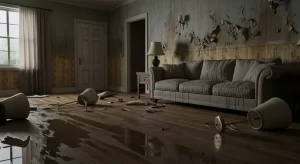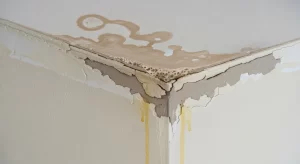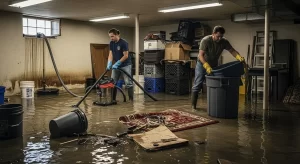

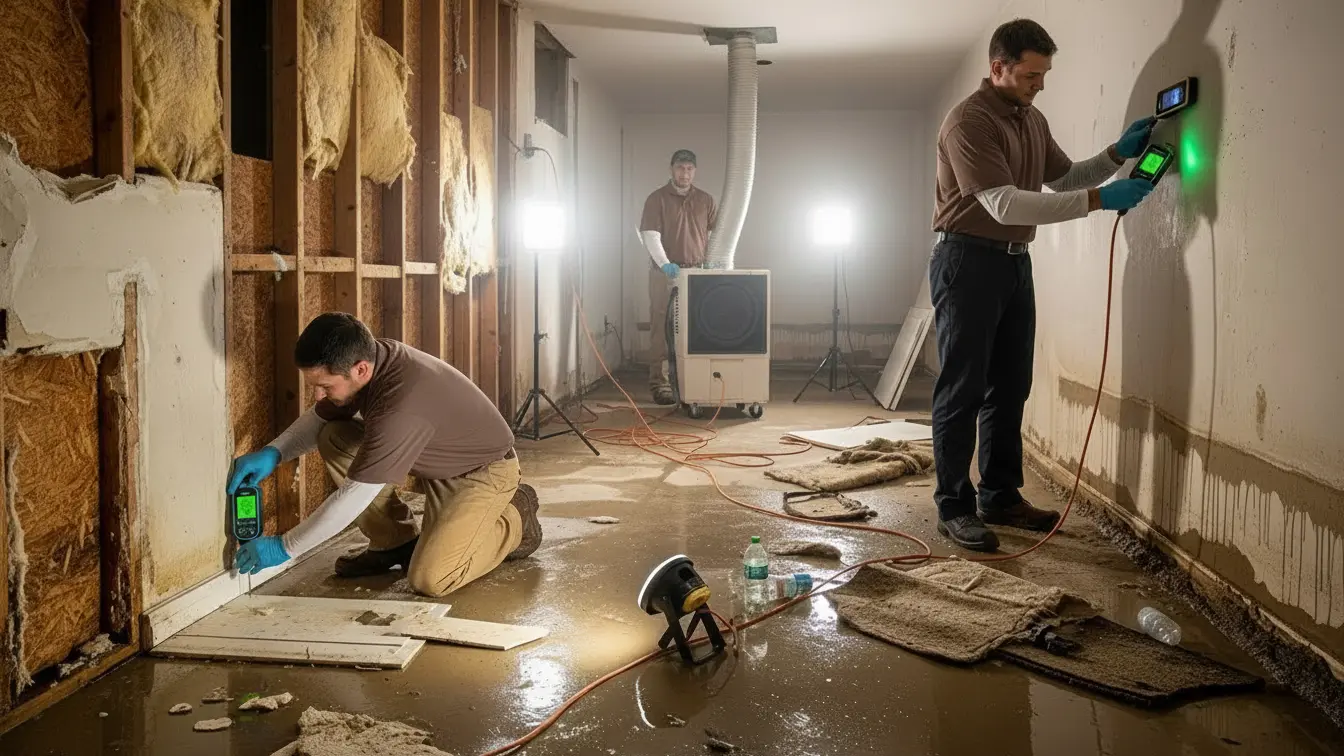
Don’t you agree that even a small leak or water disaster that seems harmless at first can create huge trouble when hidden moisture begins damaging everything? How do professionals know a space is completely dry? Their secret is a genius tool: the moisture meter! It acts like a lie detector for your walls and floors, showing restoration technicians exactly where moisture is hiding.
Let’s explore how a water damage restoration company in New Jersey uses moisture meters during water cleanup and ensures every part of your home is fully restored and safe.
What is a moisture meter?
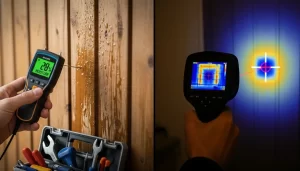
A moisture meter for water damage restoration is a professional-grade tool used to measure moisture levels inside walls, floors, and building materials. At NSH Home Services, our technicians are IICRC Certified Restoration Technicians following the IICRC S500 standard for water damage restoration. Using trusted tools like Protimeter, Tramex, and Delmhorst moisture meters, we accurately detect hidden moisture, prevent mold growth, and plan the proper drying process. This ensures faster, more reliable inspections for local homes and businesses, reducing the risk of long-term damage.
Why Moisture Meters Are Important in Water Damage Restoration?
Whether caused by floods, appliance leaks, or stormwater, water can seep into walls, floors, and hidden cavities, creating pockets of moisture that lead to mold, wood warping, and structural damage.
Moisture meters in water damage assessment detect water that isn’t visible to the naked eye. They provide accurate readings for different materials like wood, drywall, and concrete and guide technicians on the right drying methods.
Beyond detection, moisture meters provide quantitative data to:
-
Map moisture migration
-
Set drying goals
-
Monitor daily progress
-
Document work for insurance claims
Without a meter, you risk:
-
Leaving moisture pockets that fuel mold growth
-
Over-drying and damaging materials
-
Missing drying goals, complicating insurance claims
Also Read: How Long Does Water Damage Restoration Take?
Types of Moisture Meters and When Technicians Use Them
Restoration technicians use different moisture meters depending on the material, depth of moisture, and whether they need non-invasive methods.
Pin-Type Meters
Pin meters have two probes inserted into a material to measure moisture through electrical resistance. More moisture equals lower resistance. These invasive meters are ideal for deep water damage detection inside wood studs or subfloors.
Pinless (Non‑Penetrating) Meters
Pinless meters use electromagnetic sensors to scan surfaces like tile, drywall, or hardwood without puncturing them. They measure moisture up to ~0.75 inches deep, making them ideal for broad water damage inspections. Note: Metal studs or mesh may affect readings.
Combination Meters
Combination meters offer both pin and pinless functions, allowing technicians to scan large areas non-invasively, then focus on precise moisture spots. Advanced models may include thermo-hygrometer features for environmental monitoring.
Thermo‑Hygrometers
These measure air temperature and relative humidity, which is crucial because drying depends not only on wet materials but also on surrounding air. Combining moisture meter readings with thermo-hygrometer data allows technicians to monitor both material and environmental moisture accurately.
Comparison Between Pin vs Pinless Meters
| Feature | Pin-Type Moisture Meter | Pinless (Non‑Penetrating) Moisture Meter |
|---|---|---|
| Measurement Method | Electrical resistance via probes inserted into material | Electromagnetic signals scan surface without puncturing |
| Depth Accuracy | Deep penetration, ideal for studs, joists, subflooring | Measures up to ~0.75 inches deep; may miss deep saturation |
| Surface Impact | Slightly invasive, leaves tiny pinholes | Non-invasive, safe for finished surfaces |
| Speed | Slower, used for precise measurements | Fast, scans large areas quickly |
| Best Use | Pinpointing specific problem areas | Locating general moisture zones on finished surfaces |
| Limitations | Leaves small holes, slightly invasive | Can give false readings over metal studs or mesh |
How Technicians Use Moisture Meters During Water Cleanup
Our experts combine moisture meter readings with thermal imaging cameras, thermo-hygrometers, air movers, dehumidifiers, and drying mats. This adherence to recognized restoration best practices guarantees effective drying, reduces the risk of secondary damage, and maintains structural safety.
Baseline Readings
Technicians first measure moisture in unaffected areas to set drying goals, recording results in a moisture map for reference.
Initial Damage Assessment
Using pinless meters, they perform a broad scan of walls, floors, and ceilings to locate elevated moisture. Pin meters are then used for precise readings in problem areas. Thermal imaging cameras often complement these meters to detect hidden water behind walls.
Daily Monitoring During Drying
While air movers and dehumidifiers operate, moisture readings are taken daily at the same points to track drying progress. This data helps adjust equipment placement or drying strategy.
Dry Goal Verification
The process is complete when affected materials match pre-determined baseline readings. Technometers confirm stable environmental conditions to prevent condensation or re-wetting.
Final Documentation
All readings, logs, and moisture maps are saved in reports provided to homeowners and insurance companies, ensuring accurate documentation for claims.
Read More: Emergency Water Damage Restoration: What to Do First
Safety and Health Risks Monitored
Proper use of moisture meters reduces mold growth, structural damage, and bacterial contamination. Hidden moisture left untreated can lead to serious health hazards and costly repairs.
Best Practices for Restoration Experts
-
Calibrate meters regularly to avoid false readings
-
Use material-specific settings for wood, drywall, and concrete
-
Measure consistently at the same spots daily
-
Maintain and clean sensors/pins for accuracy
-
Store equipment in protective cases away from extreme conditions
How Moisture Meter Data Improves Restoration Quality and Safety
Moisture readings provide clarity for safe, efficient restoration. They prevent unnecessary demolition, guide equipment optimization, and ensure materials are fully dry, lowering mold and insurance risks.
Common Challenges Technicians Face
-
False readings from metal studs or framing
-
Pinless meters’ limited depth detection
-
Environmental factors like temperature and humidity affecting accuracy
Book Our Water Damage Restoration Services in New Jersey
A moisture meter is essential for professional water damage cleanup in NJ. At NSH Home Services, Our IICRC-certified technicians use industry-standard tools and follow best practices recognized across the restoration field to ensure thorough and safe restoration.. We offer transparent quotes and expert restoration services to ensure your home or business is safe. Call us today for emergency water damage restoration in New Jersey.
Frequently Asked Questions
What is a moisture meter and how does it work in water damage restoration?
It measures hidden moisture inside walls, floors, and building materials, helping technicians detect water pockets and plan proper drying.
Can homeowners detect moisture without a professional meter?
DIY methods like infrared cameras or moisture strips exist, but they often miss deep or hidden water. Professional meters combined with thermal imaging ensure accurate detection.
Why do restoration technicians use moisture meters during cleanup?
They confirm the extent of water spread, monitor drying progress, and prevent mold or structural damage.
What moisture levels indicate water damage in walls and floors?
Readings above normal material levels (typically over 15–20%) indicate water damage and require drying or repairs.
How long does it take to dry a home after water damage?
Depending on severity and materials, drying can take 24–72 hours or longer. Daily monitoring with moisture meters ensures timely restoration.
Do insurance companies require moisture readings?
Yes, most insurers require documented moisture logs to approve water damage claims.
What is the difference between pin-type and pinless moisture meters?
Pin-type meters use probes for deep readings, while pinless meters scan surfaces quickly without leaving holes. Both are often used together for accuracy.
Which moisture meters are best for water damage restoration?
Professional-grade tools like Protimeter, Delmhorst, and Tramex are industry-standard. Combining them with thermal imaging and thermo-hygrometers ensures comprehensive inspection.