
Water damage restoration is one of those services most homeowners hope they’ll never need, but when the damage occurs, the first thing that comes to mind is cost! After all, it’s their hard-earned money that could be drained fast if they don’t understand what they’re paying for.
Let’s find out the real cost drivers in water damage restoration, including equipment, labor, materials, and other important variables that you should know when planning cleanup and repairs.
Why Do Water Damage Restoration Costs Vary?
The extent of water damage is not the same; sometimes it is caused by flooding, storm water, and other times caused by appliance leakage or sewage backup.
Factors like how far water has spread, what type of water is involved, and what materials have been affected all play a major role in how much you’ll pay for professional restoration of your home or business.
Unlike standardized pricing models in industries such as auto repair, there is no central regulatory authority that sets fixed restoration prices. Repair and restoration estimates are based on project requirements, local market conditions, and the scope of work required.
Restoration Equipment Costs
This is one of the major factors that affects the water damage restoration cost. Professionals use powerful equipment to extract water, dry structures, and prevent long‑term problems like mold. The tools include:
Water Extraction Tools
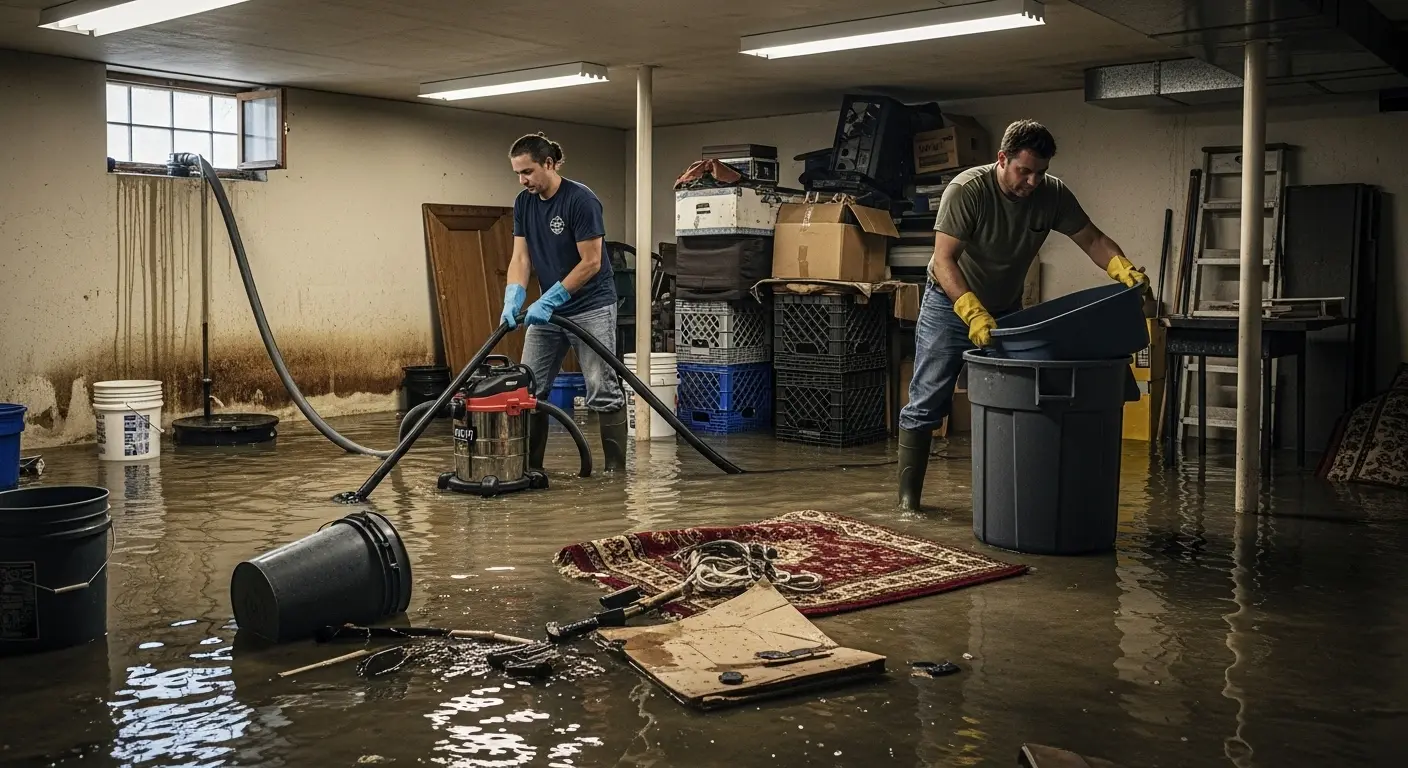
Industrial pumps and wet vacuums remove standing water quickly and these tools are required because standing water causes mold growth and structural issues. The use of high‑capacity extractors increases equipment costs because they run continuously to remove the bulk of water.
Drying and Dehumidification Equipment
After extracting the water, drying begins, and professionals use:
- Commercial air movers that circulate fast airflow over wet surfaces
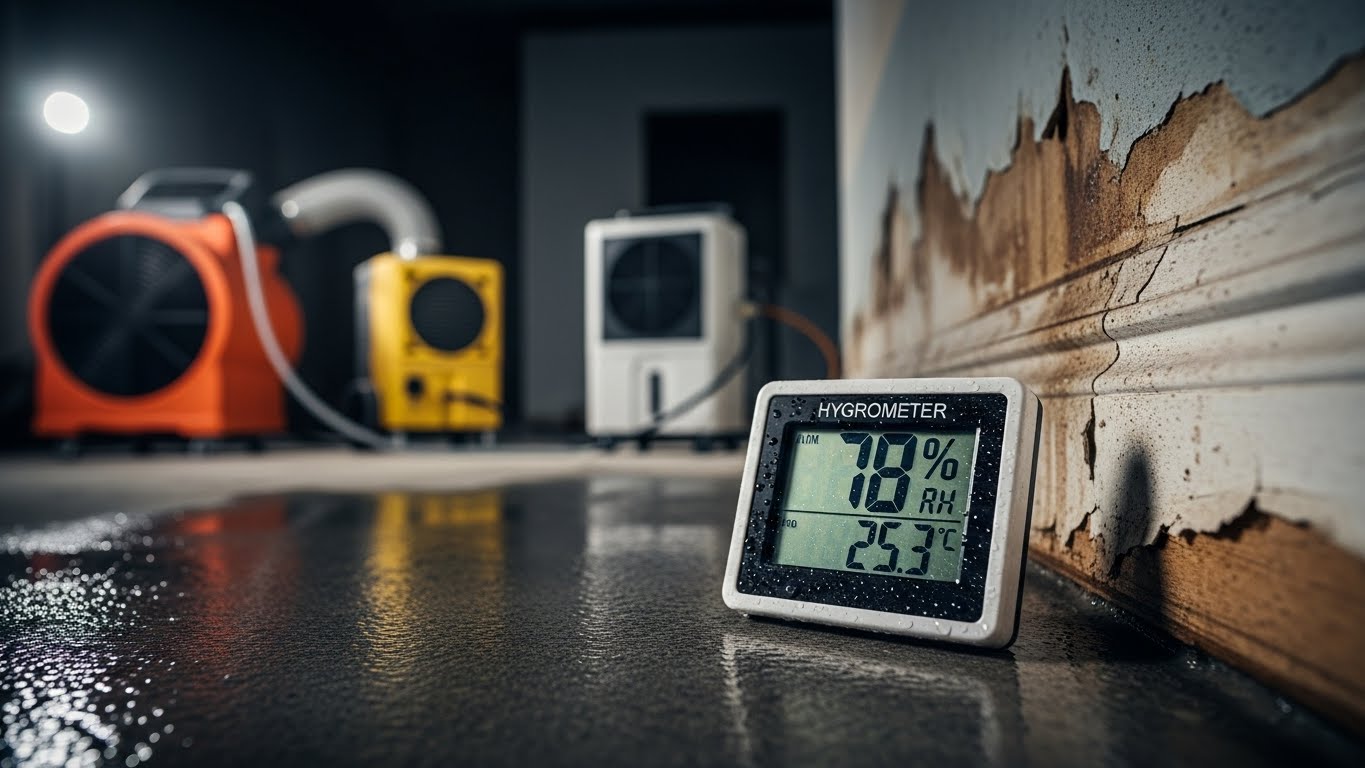
- Dehumidifiers to pull moisture out of the air
- Low Grain Refrigerant (LGR) dehumidifiers for deep drying
These machines run for days and may cost hundreds of dollars per day in rental value, especially when multiple units are required for a large area.
Monitoring and Testing Instruments
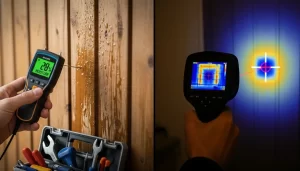
Restoration crews use moisture meters and thermal imaging to ensure materials reach desirable dryness levels before finishing the project. This data prevents costly repeat trips and ensures accurate restoration.
Labor Costs
Labor carries the largest portion of water damage restoration costs, sometimes making up 50‑70% of the total bill. Why is labor so costly? It’s because effective water damage restoration is not a simple cleanup task but a technical service that requires:
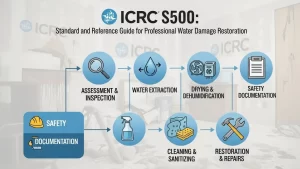
- Proper assessment of damage
- Safe handling of contaminated materials
- Use of respiratory protection and safety gear
- Expertise with advanced drying and dehumidification methods
- Careful monitoring over multiple days
When hazardous water like sewage or floodwater is involved, restoration workers must follow strict safety protocols, which further increases labor time and cost. Moreover, local labor rates vary because experts in urban areas or regions with high demand may charge more per hour than those in rural areas.
Material Costs
Water damage restoration costs also depend on the materials that need to be replaced. It includes:
Drywall and Insulation
Water easily saturates porous materials like drywall and insulation. Once soaked, these often need removal and replacement because they can hold mold and lose structural integrity.
Flooring
Different flooring types react differently to water:
- Carpet & padding absorb water quickly and need replacement.
- If hardwood floors warp, it needs sanding or replacement.
- Tiles may withstand water, but the underlying subflooring could be compromised and need repair.
Structural & Finished Repairs
Beyond just drying, water damage frequently affects framing, cabinets, electrical systems, ceilings, and personal belongings, and each of which adds to the bottom line. The more materials that need replacement rather than cleaning and drying, the more your restoration costs will rise.
Read More: Emergency Water Damage Restoration: What to Do First
Type and Severity of Water Damage
It is another important factor that affects the cost of water damage restoration:
Type of Water Source
Restoration professionals classify water into three main categories:
- Clean water from faucets or pipes, and the restoration is the least expensive to get rid of
- Gray water that comes from appliances or moderate contamination is costlier to address
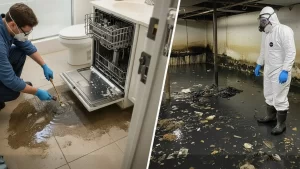
- Black water from sewage or flooding requires extensive sanitization and safety gear and is the most expensive to remediate.
Exposure Duration and Damage Severity
How long stagnant water has been in the area also affects costs. If you ignore it for a long time, it deeply soaks into materials and leads to structural weakening, mold growth, and extensive drying and replacement needs. Delayed restoration increases both labor and equipment days required, which can quickly multiply expenses.
Other Factors That Drive Water Damage Restoration Costs
Besides the core elements, several additional variables can change your final restoration price:
Insurance Coverage
Insurance can reduce out‑of‑pocket costs, but whether your policy covers the damage and how quickly claims are processed will influence how much you personally pay.
Location and Market Conditions
Regional costs for materials and labor vary. Repairs might cost more in high‑cost areas due to labor rates, insurance costs, and market demand.
Urgency
Emergency response or weekend services carry premium pricing because crews must prioritize or inflate labor costs to meet tight timelines.
Average Cost Ranges in New Jersey 2026
If you are dealing with water damage restoration in NJ, here’s a quick idea of what you might pay:
- For small leaks or minor damage, you may have to pay around $1,000 – $3,000
- For moderate damage like multiple rooms, more repairs, pay around $3,000 – $8,000
- Severe damage due to flooding, structural work, and mold costs almost $8,000 – $20,000+
- Per square foot cost is almost $4.12 – $4.75 for basic cleanup and drying
Your final cost depends on how quickly you act, the type of water, and how much damage has been done to things like drywall, flooring, or insulation. Acting fast can help reduce costs and damage.
Choose NSH Home Services, Your Top Choice for Water Damage Restoration
If you are living in New Jersey and facing a water disaster, call NSH Home Services. We have expert technicians, advanced drying tools, and offer transparent pricing. If you hire us and get multiple services, we often offer discounts.
Moreover, our crew is available 24/7 for emergencies and responds quickly. With us, you can get reliable service, professional expertise, and satisfaction throughout the restoration process.