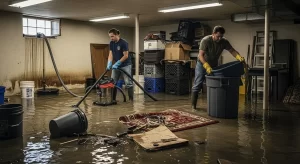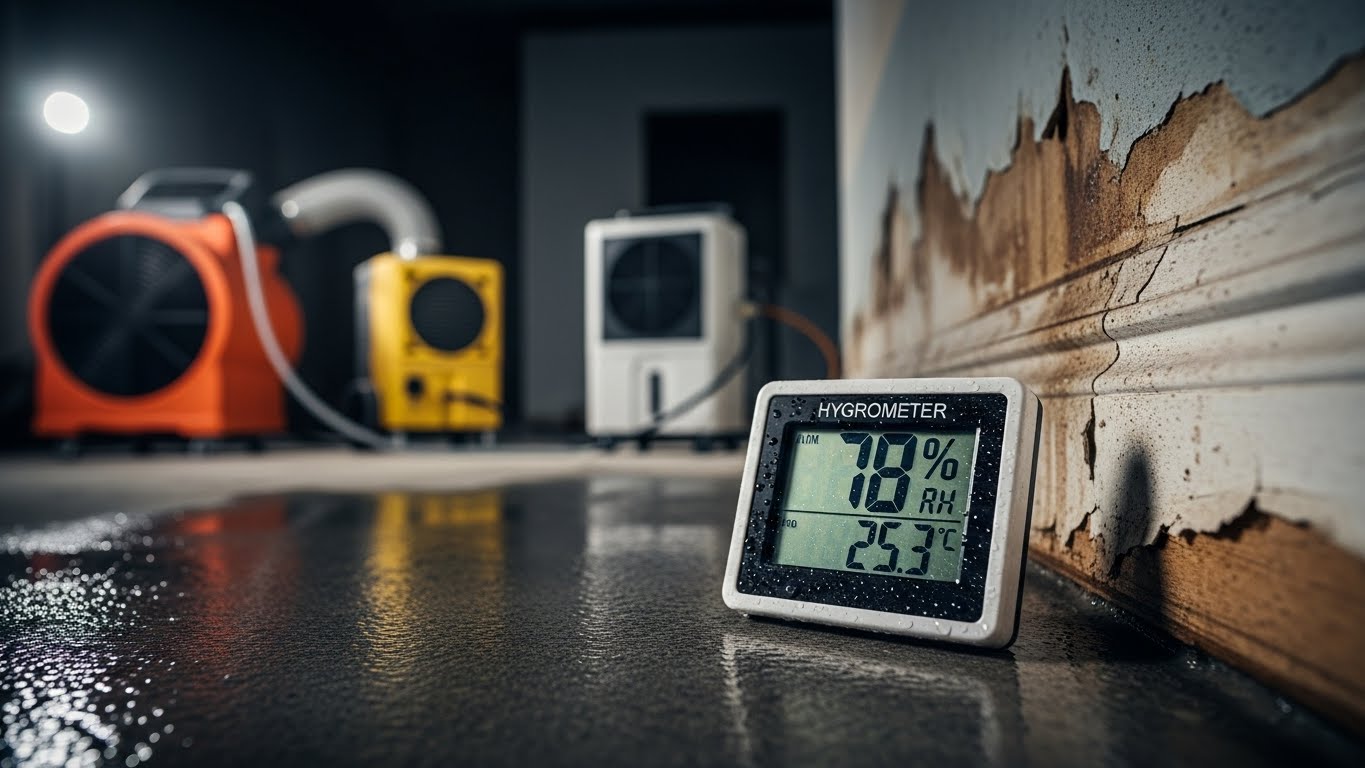

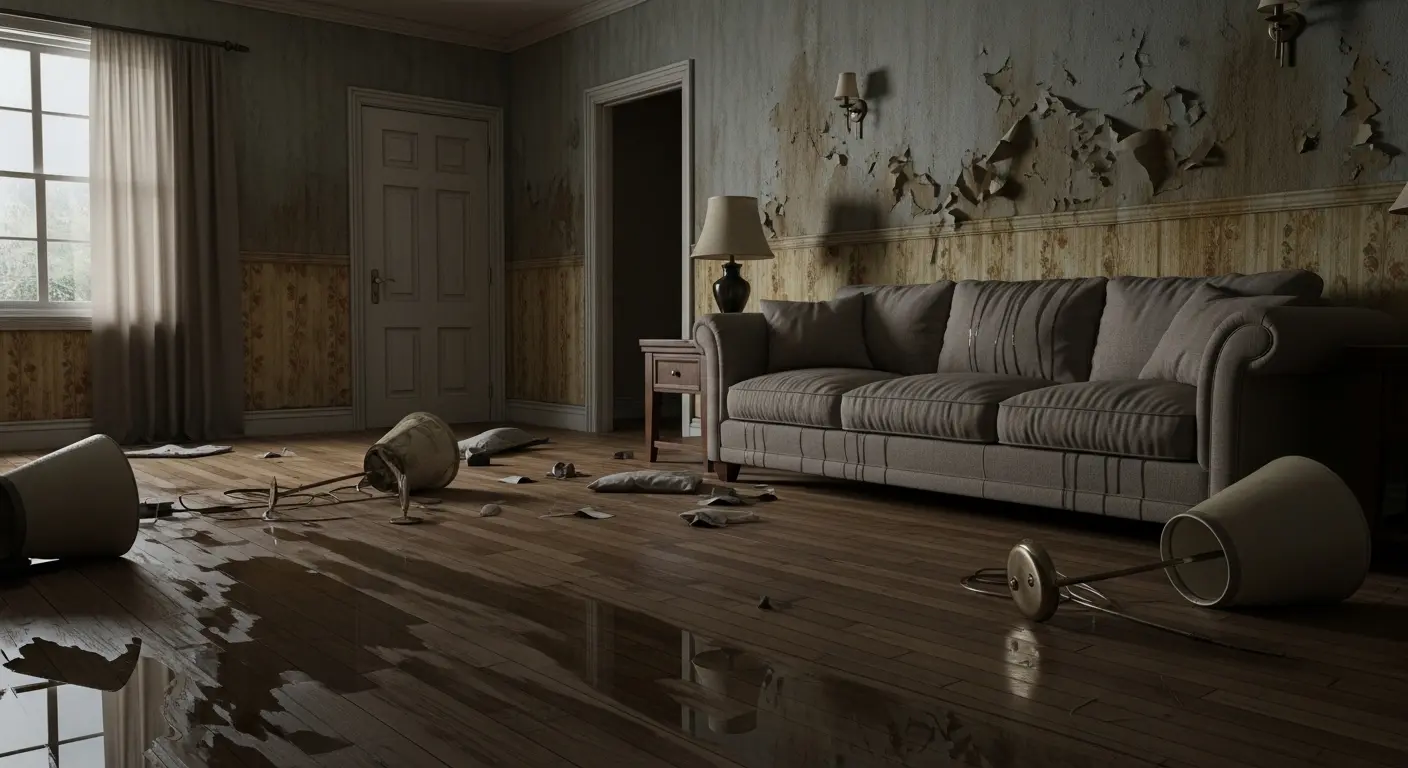
When water enters a home or building, it does not just sit in one place. It spreads. It soaks into floors, climbs up walls, and absorbs into furniture. Within hours, the materials that make up your living or working space begin to break down.
Most property owners in New Jersey focus on removing the visible water. But the damage happening inside the materials is what costs the most to repair. Understanding how water affects each part of your home helps you act faster and make the right call for water damage restoration in NJ before replacements become the only option.
How Water Damage Destroys Different Types of Flooring
Flooring takes the first hit because water follows gravity. It pools on the floor and begins absorbing into whatever material is underneath.
Hardwood Floors
Hardwood is one of the most sensitive flooring materials when it comes to water. It absorbs moisture fast and begins to swell within the first few hours. You will notice the boards cupping, which means the edges rise higher than the center. If the water stays longer, the boards buckle and lift from the subfloor.
Once hardwood warps, sanding and refinishing may not fix it. In many cases, the affected sections need full replacement. According to the National Wood Flooring Association, hardwood floors exposed to standing water for more than 24 hours have a low chance of full recovery without professional drying intervention.
Laminate and Vinyl Flooring
Laminate flooring reacts to water faster than hardwood because the core material is compressed fiberboard. When water seeps through the seams, the core swells and the planks separate. Once the laminate swells, it cannot be restored. It has to be replaced.
Vinyl flooring handles surface water better, but if water gets underneath through edges or seams, it traps moisture between the vinyl and the subfloor. This creates conditions for mold growth that you will not see until the floor is pulled up.
Tile Flooring
Tile itself does not absorb water. But the grout between tiles does. Cracked or deteriorating grout lets water pass through to the subfloor beneath. Over weeks, this causes the subfloor to rot, and the tiles start loosening and shifting.
Carpet
Carpet and carpet padding absorb water like a sponge. Within 24 to 48 hours, bacteria and mold begin growing in the padding layer. The carpet may look dry on top while the pad underneath holds moisture. Professional carpet cleaning and extraction can save carpet in some cases, but the padding almost always needs replacement after significant water exposure.
Also Read: How to Recognize Early Signs of Water Damage in Your Home
How Water Damage Affects Walls and Drywall
Walls are the second area that takes damage, and the effects are harder to see because most of the destruction happens behind the surface.
Drywall Absorption and Breakdown
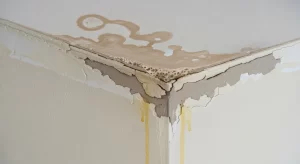
Drywall is made of gypsum pressed between paper layers. Both materials absorb water. When the bottom of a wall gets wet from standing water, the moisture wicks upward through capillary action. A wall exposed to two inches of standing water can show moisture damage up to 12 inches above the waterline.
Wet drywall loses its structural integrity. It softens, crumbles, and sags. Once it reaches that point, cutting out the damaged section and replacing it is the only solution. Painting over water-stained drywall without addressing the moisture behind it leads to peeling paint and mold within weeks.
Insulation Behind the Walls
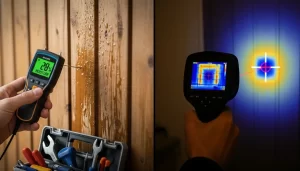
Fiberglass and cellulose insulation inside walls absorb water and lose their ability to regulate temperature. Wet insulation also becomes a mold host. Because insulation is hidden, the problem often goes undetected until a musty odor or visible mold appears on the wall surface.
Mold Growth Inside Wall Cavities
Mold can begin growing inside walls within 48 to 72 hours of water exposure. You will not see it from the outside, but it releases spores into the indoor air. Over time, this affects air quality and creates health risks for everyone in the home. A professional mold remediation service identifies and removes mold from these hidden areas.
How Water Damage Ruins Furniture
Furniture reacts to water based on the material it is made from. Some pieces can be saved with fast action. Others cannot.
- Wood furniture swells, warps, and develops white rings or stains where moisture penetrates the finish. Joints weaken as the glue dissolves, and legs or frames become unstable.
- Upholstered furniture absorbs water into the foam, padding, and fabric. Bacteria and odor build up within hours. Professional upholstery cleaning can extract moisture and treat the fabric, but the longer the furniture stays wet, the lower the chance of full recovery.
- Particle board and MDF furniture fall apart when exposed to water. These materials swell and lose their shape permanently because they are made from compressed wood fibers held together by an adhesive that breaks down in moisture.
- Leather furniture develops mold, staining, and cracking when water is not removed from the surface and pores within the first few hours.
The Cost of Delayed Response to Water Damage
The Institute of Inspection, Cleaning and Restoration Certification (IICRC) outlines that restoration costs increase by 30% to 50% for every 24 hours that water damage goes untreated. What starts as a floor drying job turns into a full renovation when walls, subfloors, and furniture all need replacement.
For NJ homeowners, the financial impact hits harder when insurance adjusters find that the damage could have been minimized with faster action. Delayed response is one of the most common reasons claims are reduced or denied.
Read More: Cost Factors in Water Damage Restoration: Equipment, Labor & Materials Explained
NSH Home Services Provides Water Damage Restoration in NJ
At NSH Home Services, the team handles water damage restoration in NJ for homes across New Jersey. From water extraction and structural drying to furniture restoration and mold prevention, the IICRC-certified team works to save as much of your property as possible.
Every hour your floors, walls, and furniture stay wet, the repair bill grows, and the chance of saving those materials drops. Contact NSH Home Services today and get a professional assessment before water turns a fixable problem into a full replacement.