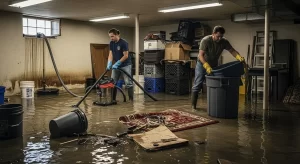

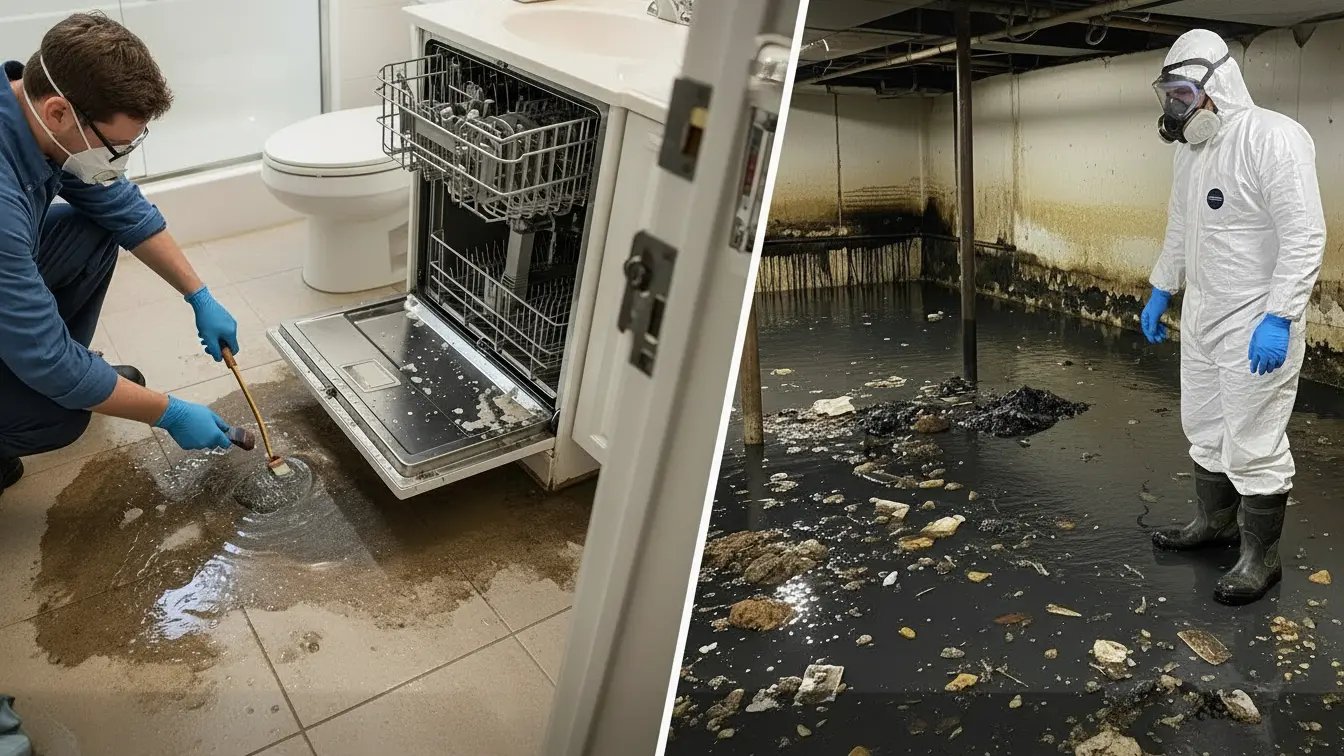
At first glance, a leaking appliance and a sewage backup may look like the same mess but carry very different risks, costs, and cleanup requirements. One might need simple drying, but the other can expose your home to serious health hazards.
If you understand the difference between IICRC category 2 and category 3, you can better protect your health, prevent expensive mistakes, and ensure that professionals handle the water damage restoration process the right way!
What Are Water Damage Categories Specified by the IICRC?
The IICRC is the Institute of Inspection, Cleaning, and Restoration Certification. They classify water damage into three categories based on the level of contamination and the possible risk to human health.
These categories help restoration professionals to choose the best cleanup method, safety measures, and restoration scope.
- Category 1 water is clean water that comes from sanitary sources such as water supply lines or rainwater. It is safe but may cause mold growth if not addressed promptly.
- Category 2 water is known as grey water with significant contaminants and may cause discomfort or illness if a person is exposed to it.
- Category 3 water is the black water quality, which is grossly contaminated and poses serious health risks.
What is Category 2 Water Damage?
This type is referred to as ‘Grey Water’. Category 2 water contains a significant degree of chemical, biological, or physical contamination, but it does not resemble sewage and is far from sanitary.
Common Sources of Category 2 Water
- Overflow from dishwashers or washing machines
- The toilet overflows with urine but no feces.
- Sump pump failures.
- Broken aquariums or punctured water beds.
- Seepage due to hydrostatic pressure
The Risks
Category 2 water has the potential to cause discomfort or illness if contacted or consumed. It carries microorganisms and nutrients like soap scum and organic matter that allow bacteria to thrive.
The category 2 water becomes a category three black water in as little as 24 to 48 hours as bacteria multiply and odors intensify.
What is Category 3 Water Damage?
IICRC considers it the danger zone because category 3 is “black water” that comes from the most hazardous level of water damage. This water is grossly contaminated and contains pathogenic, toxigenic, or other harmful agents.
Common Sources of Category 3 Water
- Sewage backups or any water originating from beyond the toilet trap, regardless of visible color.
- Natural flood water from rivers, streams, or seawater.
- Water from hurricanes or tropical storms that enters through damaged roofs or windows.
- Stagnant water of category 1 or 2 water that has been left untreated for more than 48–72 hours.
The Risks
Category 3 water is a biohazard. It can carry deadly pathogens like E. coli, Salmonella, Hepatitis A, and Norovirus. Exposure can lead to severe respiratory issues, skin infections, and gastrointestinal illness.
Keep in mind, category 3 restoration is never a DIY project. It requires specialized Personal Protective Equipment (PPE), industrial-grade disinfectants, and strict containment protocols.
Also read: Understanding IICRC Standards for Water Damage Restoration
Difference Between the Restoration Process of Category 2 & Category 3 Water Damage
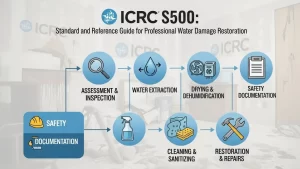
The IICRC S500 standard specifies protocols based on water category. Here’s how trained restoration teams approach each situation.
Step#1: Containment and Safety Measures
With Category 2 water damage, the professional water damage restoration company has the major goal of controlling moisture and preventing its spread. They isolate affected areas as needed, but full containment is usually not required unless the damage is extensive.
Category 3 water damage demands a much higher level of control. Professionals establish physical containment barriers and create negative air pressure to prevent airborne pathogens from traveling into unaffected areas of the building.
Step#2: Material Removal vs Cleaning Decisions
In Category 2 situations, water damage restoration teams evaluate materials carefully. They remove carpet padding and certain insulation types, save them and other structural components by using deep extraction, specialized cleaning, and antimicrobial treatments.
There is no safe way to clean saturated porous materials exposed to category 3 water. Drywall, insulation, flooring, and carpet act like sponges for bacteria and contaminants.
Professionals perform controlled demolition and remove all affected materials to eliminate the risk of trapped pathogens behind walls or under floors.
This step is the biggest difference in scope, cost, and timeline between the two categories.
Step#3: Documentation and Insurance Justification
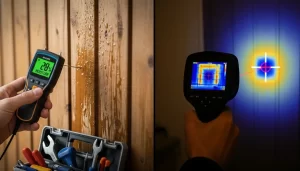
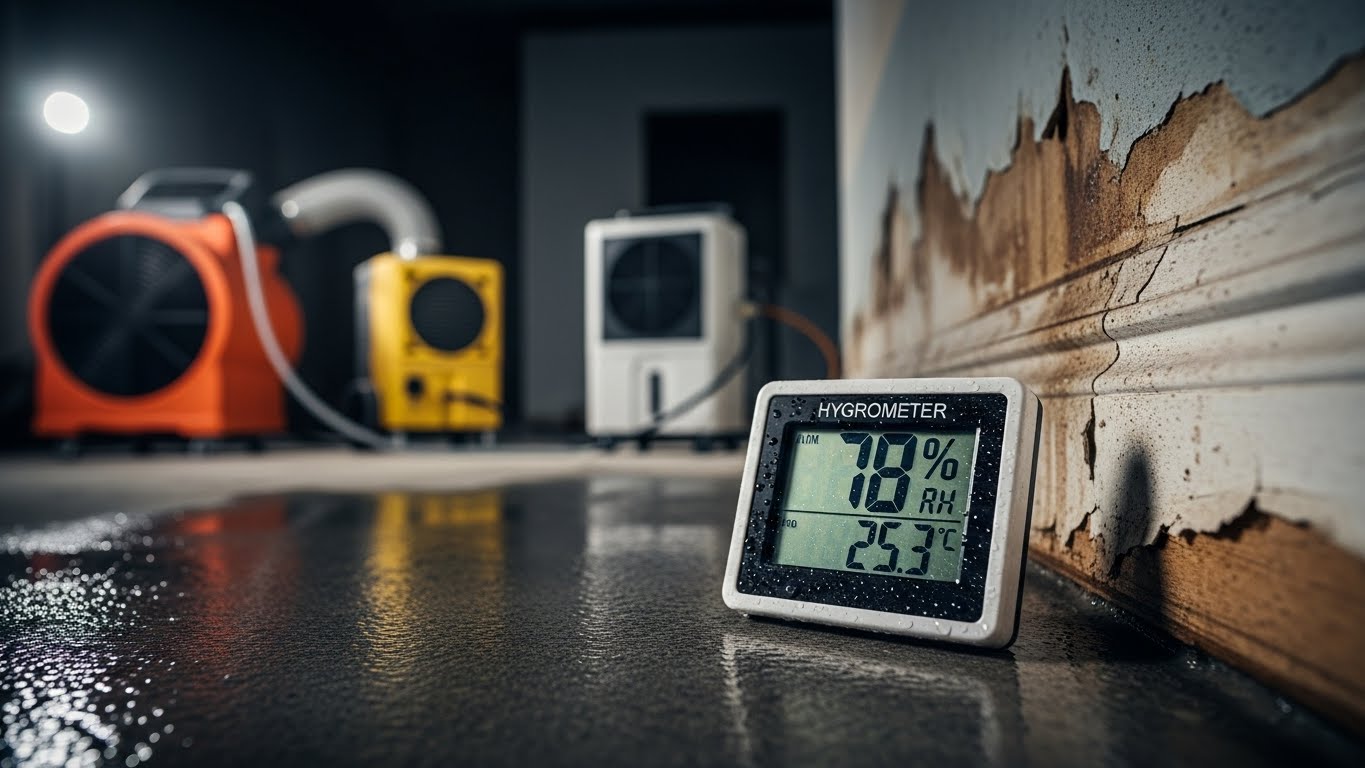
Accurate documentation is important for both restoration success and insurance approval. Professionals document moisture readings, contamination sources, material removal, and safety measures from day one.
They use the digital tools to create floor plans, moisture maps, and photo logs in real time. This level of documentation clearly shows why a Category 3 loss requires extensive mitigation compared to a Category 2 incident.
For homeowners and contractors alike, this documentation protects against claim delays, underpayment, or disputes.
Why Water Damage Needs Immediate Action?
The longer water sits, the dirtier it gets. A clean pipe burst (Category 1) that is ignored on a Friday can easily become a mold-infested Category 3 by Monday morning. If you suspect your property has Category 2 or 3 damage:
- Stop the water from its source if it is safe.
- Evacuate the space if it’s Category 3 sewage or flood water, and keep pets and children away.
- Call the IICRC-certified water damage restoration professionals immediately.
Call NSH Home Services For IICRC-Compliant Water Damage Restoration!
When water damage crosses into Category 2 or Category 3 territory, this isn’t a situation to experiment with or delay. It requires trained professionals who understand IICRC standards, safety protocols, and proper restoration methods, and there is nothing better than hiring NSH Home Services for water damage restoration in NJ!
We have an expert team that responds timely, accurately assesses the water category, provides thorough documentation for insurance claims, and can handle the entire process with care.