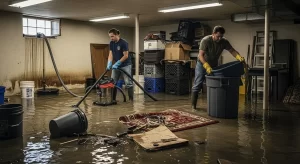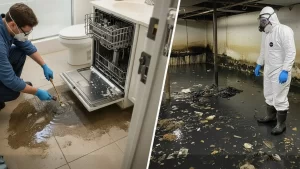

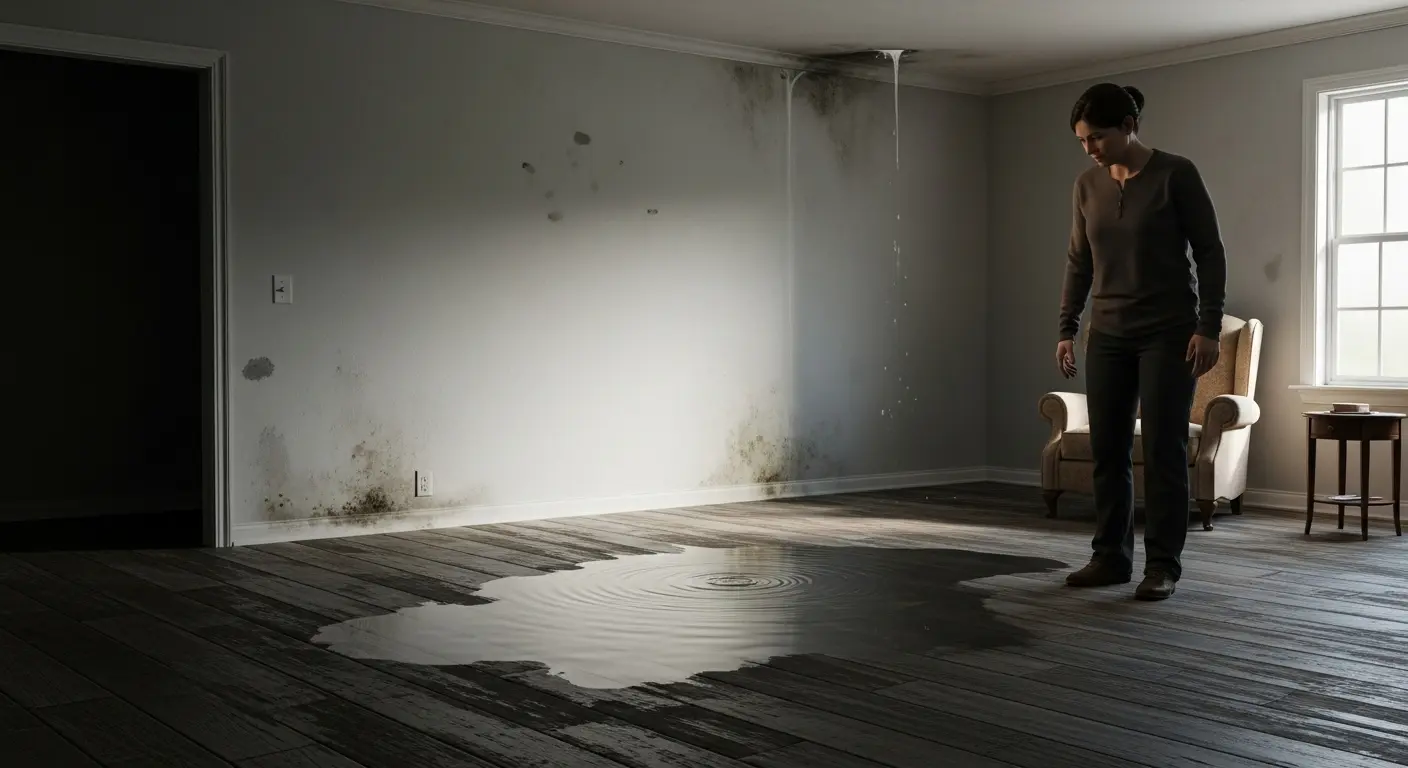
Water damage does not always begin with a flood. Sometimes it starts with a leak under the sink, a roof drip after heavy rain, or moisture trapped behind walls. These issues may develop into serious problems if not addressed immediately. They can ruin flooring and weaken foundations.
Aside from property damage, water intrusion provides an ideal place for mold. This can cause allergies, asthma, and other respiratory issues. It also lowers indoor air quality, putting your family’s health at risk. Identifying the warning signs early allows you to act before the damage spreads and becomes harder to control.
Sign #1: Persistent Musty Odors
One of the first signs of water damage is a smell that is hard to ignore. This musty odor persists regardless of how frequently you clean. This is usually caused by moisture trapped in walls, floors, or ceilings. When water seeps into building materials and does not dry properly, it provides an environment for mold and mildew.
Musty odors can be difficult to detect because they often appear before any signs of damage. You may not see stains, leaks, or warped walls yet, but your nose will tell you something is wrong. While scented candles or air fresheners may seem tempting to cover up the odor, they do not address the root problem.
A persistent musty odor indicates that moisture is present inside your home. Ignoring it may worsen structural damage and endanger your family’s health. The best step is to call a water damage restoration in NJ. They can identify the source of the problem and stop it before it gets worse.
Sign #2: Visible Stains or Discoloration on Walls and Ceilings
If you notice brown or yellowish stains on your walls or ceilings, it indicates water damage. These stains mean water has leaked through the roofing, plumbing, or pipes and has been absorbed by the drywall. Over time, the moisture breaks down the material, leaving behind those marks.
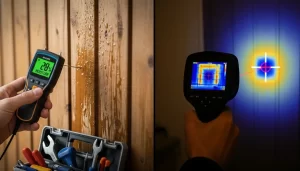
What you don’t see adds to worries about these stains. A small spot on the ceiling can be the result of a hidden leak that has spread beneath the surface. Moisture can weaken wooden supports and cause drywall to crumble.
It’s easy to dismiss a stain as harmless, but painting over it will not solve the problem. The discoloration will persist until the underlying leak is located and repaired. Detecting these stains early and acting quickly is essential to avoid more costly problems.
Also Read: How Fast Can Mold Grow After Water Damage
Sign #3: Warped Floors, Walls, or Ceilings
Water seeps into the structural parts of your home, changing the shape of the materials. Excess moisture causes wood to expand and drywall to weaken. You may notice your hardwood floors curving upward, walls starting to bubble, or ceilings sagging. These are all signs that water has been accumulating somewhere.
Warping indicates that water is affecting the structural integrity of your home. A sagging ceiling, for example, may collapse if trapped water continues to accumulate. Ignoring these signs can lead to serious consequences. Warping is usually visible after water damage has been present for some time. The safest option is to hire professionals who can identify the source of the moisture. They can restore the affected areas before the problem worsens.
Sign #4: Mold Growth in Unexpected Places
Mold doesn’t need much to thrive – only a damp environment and a little time. When water damage goes unnoticed, it creates an ideal environment for mold spores. You may discover it in bathrooms or basements. When it appears in unexpected places (behind furniture or inside closets), it is a clear indication of hidden moisture problems.
Mold can have a serious impact on your health. Mold produces tiny spores into the air, which can cause coughing, sneezing, and eye irritation. Exposure can cause long-term health problems for children, the elderly, and anyone suffering from asthma or allergies.
The main issue is – mold does not stay contained. Once it takes hold, it spreads quickly, causing surface damage and lowering indoor air quality. Mold is a clear indication that there is water damage behind the scenes. And it’s time to call the experts to get to the root of the problem.
Sign #5: Peeling Paint or Wallpaper
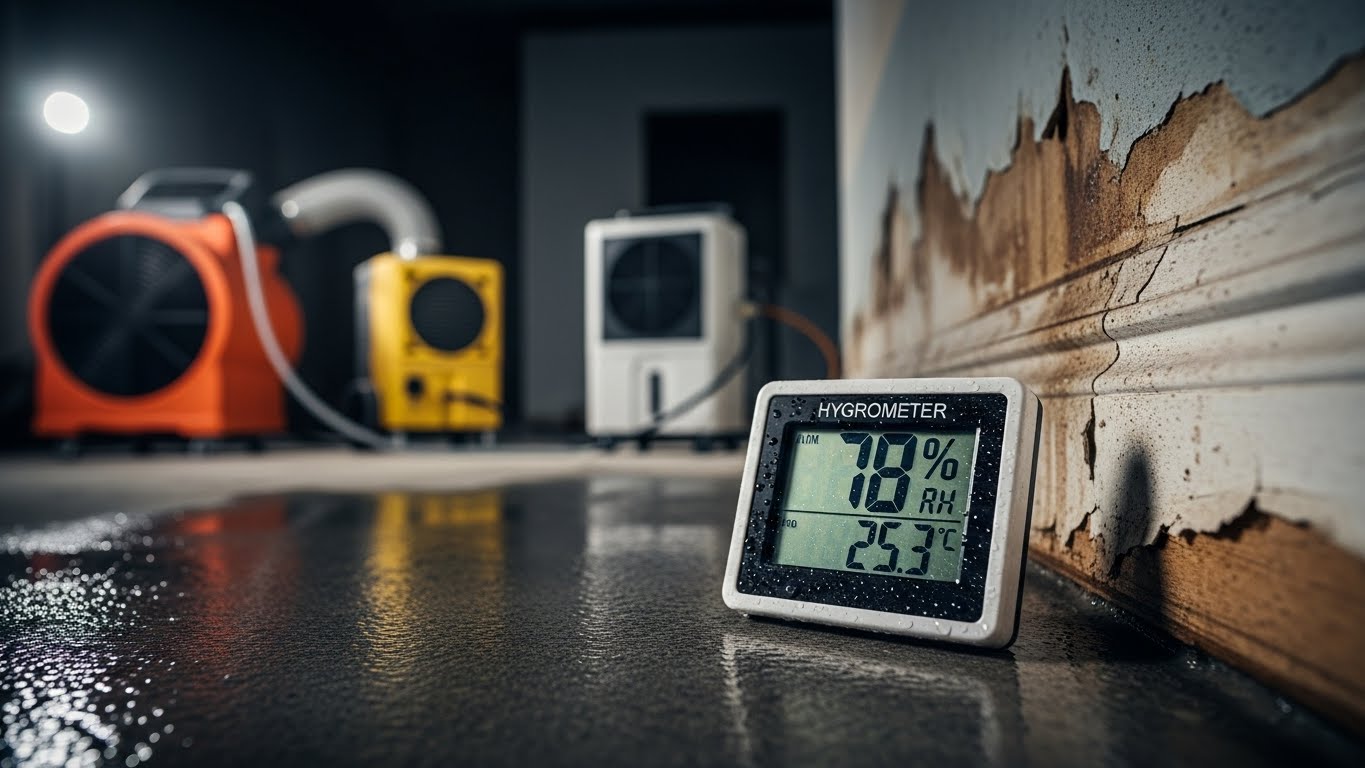
When paint peels or wallpaper bubbles, it is not due to age or wear. It indicates that moisture has found its way into your walls. Water weakens the bond between paint, wallpaper, and the wall surface. This causes it to crack or split. You may notice small bubbles at first, but as the moisture problem worsens, large patches can peel away. This makes your walls look damaged and uneven.
The problem is not what you see; it’s what’s going on behind it. Peeling paint or wallpaper indicates that water has accumulated within the wall. If not addressed, trapped moisture can promote mold growth, weaken drywall, and spread to nearby areas.
Scraping and repainting will not solve the problem because the water supply is still present. If paint or wallpaper begins to peel, it’s a clear indication that the problem is beneath the surface. The only way to avoid a more expensive repair is to seek professional help.
Sign #6: Sudden Spike in Utility Bills
If your water bill suddenly increases without any change in usage, it may indicate that something is wrong. Hidden leaks can waste hundreds of gallons of water without your knowledge. While the leak may be invisible, the impact is visible on your monthly bill.
These hidden leaks don’t only cost you money. Over time, the constant flow of water can soak into floors, walls, and ceilings, causing permanent damage. This will cost more to fix than the bill itself. Rising water bills are often one of the first signs that water damage is developing somewhere.
If you can’t explain the sudden increase in costs, it’s worth investigating. Calling water damage restoration in NJ to locate and repair the source can help prevent further structural issues.
Sign #7: Structural Weakness (Sagging, Cracks, or Rot)
One of the most serious consequences of water damage is that it compromises the structure of your home. Excess moisture deteriorates building materials. This produces warning signs such as sagging ceilings, cracked foundations, and rotting wood beams. You may notice doors that no longer close properly, uneven floors, or gaps in walls. All these can indicate that water has been compromising your home’s stability.
Unlike stains or odors, structural weakness is dangerous. A sagging ceiling may collapse, and rotted beams may no longer support the weight above them. These are not problems that can be delayed. They need immediate attention from professionals.
If your home shows signs of structural weakness, it means water damage has spread beyond the surface. Acting quickly can help prevent serious damage and protect your property.
Also Read: What Happens If You Ignore Minor Water Leaks?
Protect Your Home by Acting Early
Water damage can start small, like musty odor, stains, warped floors, mold, peeling walls, rising bills, and structural weakness. But the warning signs should never be ignored. Acting quickly safeguards your home and your family’s health. If you suspect hidden damage, looking for professional assistance is the safest way to address the problem before it worsens. With expert water damage restoration in NJ, you can restore your home and avoid future problems.
Protect What Matters Most – Your Home and Family
Water damage can be overwhelming, but you don’t have to handle it alone. NSH Home Services understands the importance of acting quickly and restoring your property. Our experienced team uses advanced tools and proven methods to locate hidden damage. We remove moisture completely and restore your home to a safe, healthy condition.
When it comes to protecting your family and your investment, don’t settle for temporary solutions. You have to choose a water damage restoration company you can count on. NSH Home Services provides expert water damage restoration services with professional and long-lasting results.