
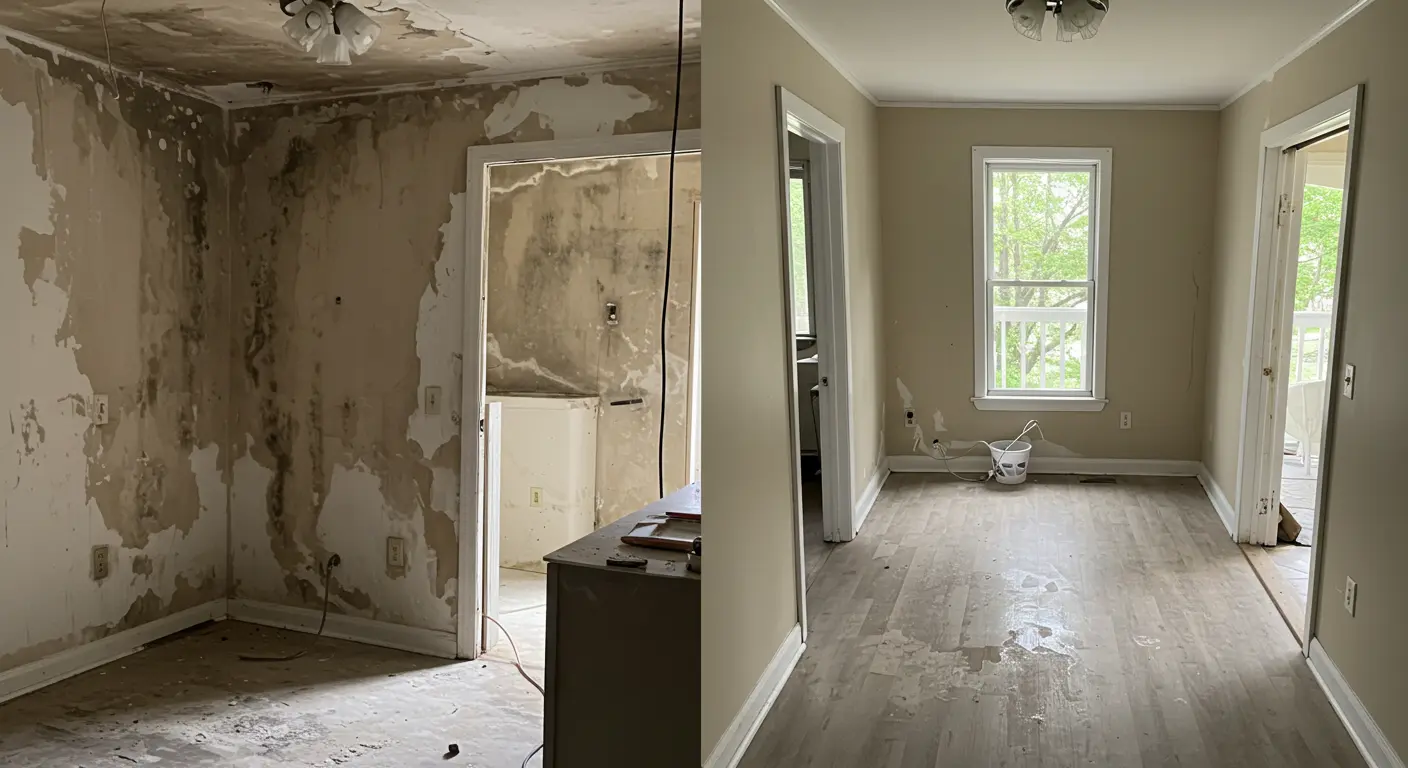
For a homeowner, water damage can be one of the most challenging problems to deal with. The stress of dealing with a leaking roof, a flooded home, or a broken pipe paired with the uncertainty of the outcome is quite overwhelming. A question most homeowners are inclined to inquire is, “How long will the entire process of water damage restoration in NJ take?” Knowing the procedure of the restoration process is vital in managing one’s expectations and reducing the damage to life activities.
In this guide, we will focus on the timeline for water damage restoration, emphasizing the critical determinants of duration in the state of New Jersey.
Water Damage Restoration: What Are the Steps Involved?
“Water Damage Restoration” is the growing phenomenon addressing the acute problem of returning any affected property to its original state. It is a comprehensive multi-tier process carried out step-by-step. To understand the various stages involved, let’s first understand a rough overview of its classification:
1. Damage Assessment
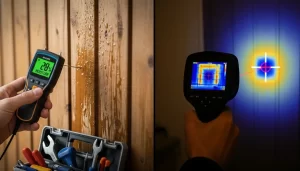
Water damage restoration often clearly involves amps and gauges, and other sophisticated devices to measure the reach of water within the different compartments of the property. Attention is paid towards long term damage risk factors like severe rot and musty odors. An accompanying professional makes sure to figure out a risk management plan a toy and suggest remedial solutions.
2. Water Removal
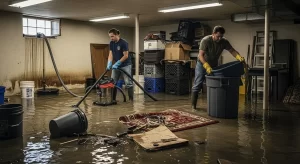
The water restoration process needs to be followed up immediately. Constant monitoring may be required of the building to prevent the different compartments from receiving damage. Equipped with professional wet vacuums and carpet cleaners, professionals work towards making sure the water is sucked out with swiftness.
3. Elimination of the Humidity
During the next stage, air movers and industrial dehumidifiers are employed towards making sure the sections are dried completely. It is crucial to maintain proper thermostatic conditions and dry air to stabilize the fluctuating air currents.
4. Final Clear Up
Dirt and other debris are absent; therefore, the surfaces which were wiped are sprayed with various solutions. All materials which had exposure to water need to be dry cleaned ensuring the water in them is eliminated and thus protecting the materials from water damage.
5. Restoration and Repairs
Restoration and Repairs comprise the last steps of this process. Restoration may include replacing damaged drywall, flooring, and insulation, thereby bringing the structure to its pre-damaged state.
Also Read: What Happens if You Ignore Minor Water Leaks?
Categories of Water Damage & Timeline Required for Restoration
In this section, we will further explore what impacts each individual phase of restoration and the restoration process timeline.
1. Water Damage Category 1 (1 to 3 Days)
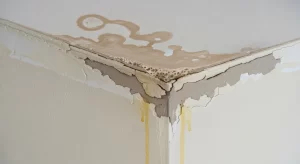
- In the category of minor water damage restoration fall leaking faucets, small appliance issues, and a slow pipe leak. Such issues can be resolved in a short span of 1 to 3 days.
- Restoration begins with an assessment to evaluate the degree of damage. Restoration professionals will check the water-affected regions to measure the volume of water, cleaning, and drying processes. Water extraction begins after assessment using strong pumps and vacuums. Following extraction, the structure is dried which in most cases takes up to 1 to 3 days to remove moisture using specialized air movers and dehumidifiers.
- In the process of restoration, cleaning and sanitizing is also done in the effective regions to prevent further bacteria and mold growth. Restoration also resolves surface damage which can be replacing wet carpets, minor drywall repairs, and repainting the structure.
2. Moderate Water Damage (3 to 7 Days)
- In cases of a flooded basement or broken dishwasher, restoration will typically be completed in between 3 to 7 days.
- Damage of this nature will require a more thorough restoration effort. After provisionary assessments coupled with water removal, drying may take a particularly long time due to the increase in area to be covered. To stave off any possible mold growth, drying equipment will be kept in place for several days to guarantee all areas are fully dried.
- Furthermore, furniture, carpets, or flooring may need to be extracted to be cleaned or disposed of. Walls or insulation that are thoroughly soaked may need to be replaced, adding additional time to the restoration effort.
- If the water involved is contaminated, the restoration effort will require more extensive sanitization and disinfection.
3. Severe water damage (1 week to several months)
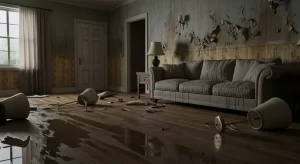
- In the event of severe water damage, such as water surge due to a flood storm, or any severe structural damage, restoration can take weeks to months.
- Removal of excess water will take more time if it is particularly deep or if it has spread to difficult-to-reach areas. If water extraction is necessary, the water removal process takes longer. The affected area might take several weeks or even days to fully dry.
- Apart from the extensive repair work already mentioned that includes replacing walls, floorings, insulation, and other structural components, extensive moisture exposure may result in mold growth that requires mold removal, greatly extending the restoration process.
Why Choose NSH Home Services for Water Damage Restoration in NJ
Every second you waste in an emergency situation is precious, and if your home or business incurs water damage, you need a reliable and expert partner for restoration work. With NSH Home Services, your water damage emergency is taken care of at any time. We have certified professionals for every restoration project and with modern tools and state of the art equipment; restoration work is completed with maximum efficiency. Our experts aids in filing insurance claims and works with insurance companies for a straightforward and convenient claims process. Water damage is serious, but with NSH Home Service, you get unrivaled restoration service all across New Jersey.