
Water damage does not always start with a flood or a burst pipe. Most of the time, it begins with something small. A faint stain on the ceiling. A soft spot on the floor. A smell you cannot trace. These signs are easy to ignore, but they point to a problem that grows every day you leave it alone.
Catching these signs early and calling for water damage restoration in NJ before the damage spreads can save you thousands in repair costs and protect your family’s health.
Why Early Detection of Water Damage Matters
Water moves through walls, floors, and ceilings without being visible. By the time you see damage on the surface, the moisture behind it has been there for days or weeks. The longer it stays, the more it costs to fix.
According to the Insurance Information Institute, water damage and freezing account for almost one in four homeowner insurance claims in the United States, with an average claim amount exceeding $12,000. A large portion of those claims comes from damage that started small and was caught too late.
The earlier you spot the signs, the smaller the repair and the lower the risk of mold, structural weakening, and health issues.
Read More: Understanding IICRC Standards for Water Damage Restoration
Visible Signs of Water Damage Inside Your Home
Some signs are right in front of you, but most homeowners walk past them without connecting them to water.
Stains and Discoloration on Walls or Ceilings
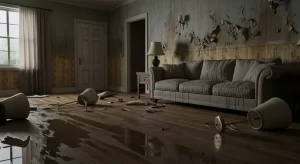
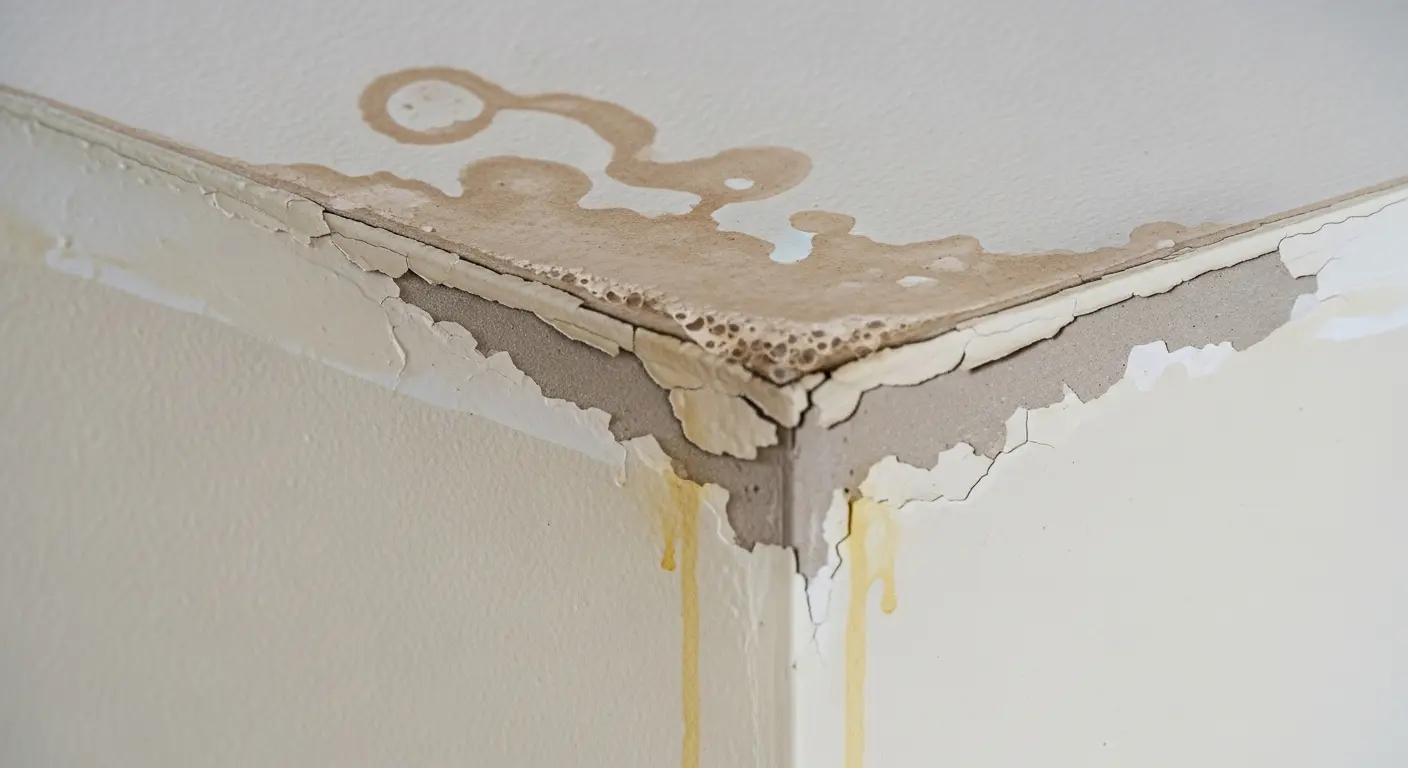
Yellow, brown, or dark patches on your ceiling or walls are among the first visible signs of water damage. These stains mean moisture is collecting behind the surface. If the stain changes size or gets darker after rain or when plumbing runs, the leak is active.
Peeling, Bubbling, or Cracking Paint
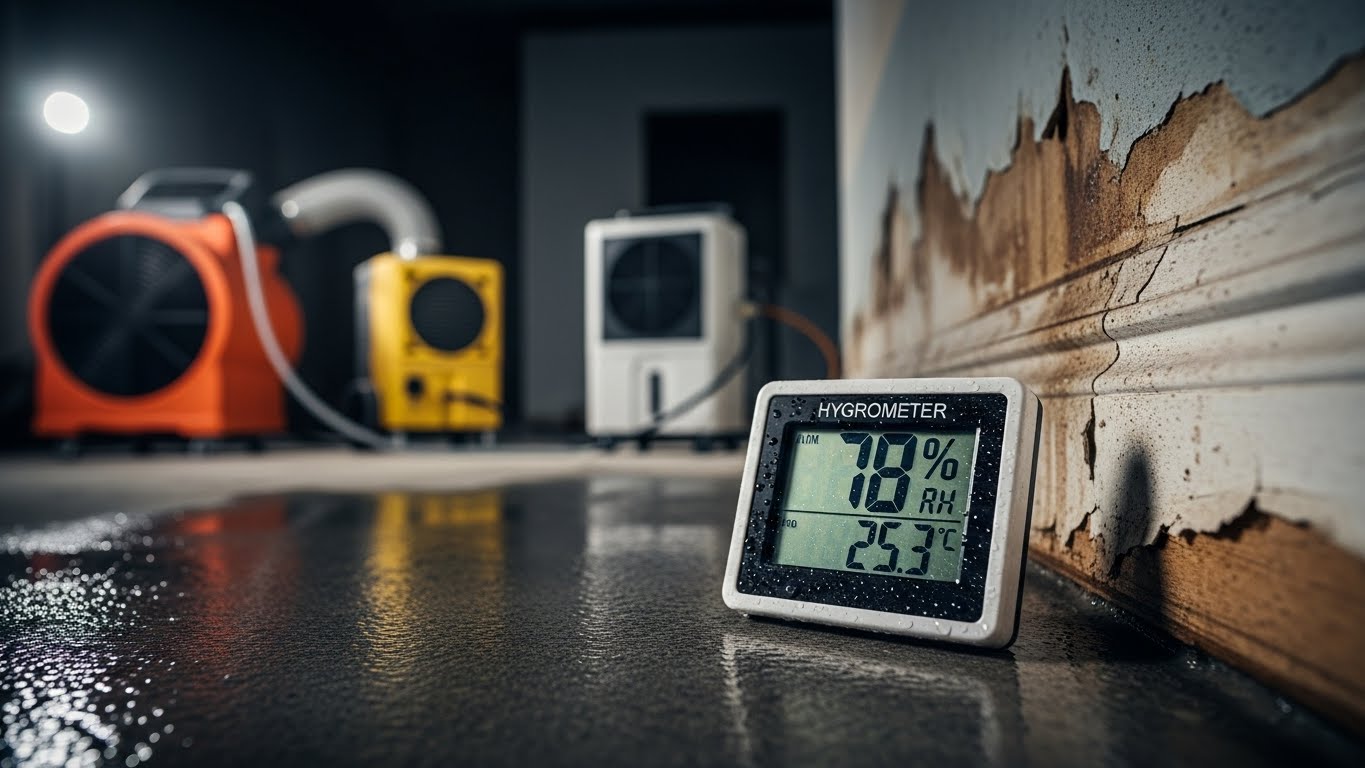
When water gets behind paint or wallpaper, it breaks the bond between the material and the wall. You will notice bubbling, peeling, or cracking in areas near bathrooms, kitchens, and exterior walls. This happens before the wall itself starts to deteriorate.
Warped or Buckled Flooring
Hardwood floors that cup, buckle, or feel uneven underfoot are absorbing moisture from below. Tile floors with loose grout or vinyl flooring that lifts at the edges also indicate water beneath the surface. If you notice any of these in your basement or ground floor, the source may be groundwater seeping through the foundation.
Hidden Signs You Should Not Ignore
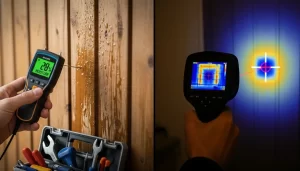
Not all water damage is visible. Some of the most destructive cases happen behind walls and under floors where you cannot see them.
A Persistent Musty Smell
If your home has a damp, earthy odor that cleaning does not remove, there is hidden moisture somewhere. This smell comes from mold and mildew growing in areas with trapped water. Bathrooms, basements, laundry rooms, and crawl spaces are the most common locations.
Unexplained Increase in Water Bills
If your water bill jumps without a change in usage, a hidden pipe leak may be the cause. Even a slow drip behind a wall or under a slab adds up over time. The U.S. Environmental Protection Agency (EPA) estimates that household leaks waste nearly 1 trillion gallons of water per year nationwide.
Mold Growth in Corners or Along Baseboards
Mold needs moisture to grow. If you see mold appearing along baseboards, in closet corners, or around window frames, there is a water source feeding it. Wiping the mold away does not fix the problem. Without addressing the moisture source, it comes back. A professional mold inspection identifies both the mold and the water path causing it.
Soft or Spongy Spots on Walls or Floors
Press your hand against the wall near the floor in your bathroom or kitchen. If it gives way or feels soft, the drywall has absorbed water and is breaking down. The same applies to floors that feel spongy when you step on them. These areas need attention before the damage reaches the framing behind them.
Where Water Damage Starts Most Often in NJ Homes
New Jersey homes face specific risks based on climate, building age, and soil conditions. Understanding where damage starts helps you check the right areas.
- Basements and crawl spaces are the most common entry points for groundwater, especially during spring thaw and heavy rain seasons
- Bathrooms with old caulking or cracked grout allow water to seep behind tiles and into subfloors
- Roofs and attics develop leaks from missing shingles, damaged flashing, or ice dams in winter
- Around windows and doors, where seals have worn out and allow rainwater to enter the wall cavity
- Under kitchen sinks and near appliances like dishwashers and refrigerators with water lines
Also Read: Difference Between IICRC Category 2 and Category 3 Water Damage
What to Do When You Spot the Signs
Once you identify any of the signs above, take these steps:
- Turn off the water supply if the source is a plumbing leak
- Move furniture and belongings away from the affected area
- Document the damage with photos for insurance purposes
- Call for professional water damage restoration in NJ to assess the full extent of the issue
- Avoid using fans to dry visible water, as this can push mold spores into other rooms without addressing the root cause
Acting within the first 24 to 48 hours makes the biggest difference. After 72 hours, mold begins to grow, and structural damage accelerates.
NSH Home Services Provides Water Damage Restoration in NJ
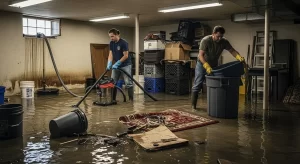
At NSH Home Services, the team responds to water damage calls across New Jersey for both homes and commercial properties. From water extraction and structural drying to mold remediation and full restoration, every step is handled by IICRC-certified professionals who understand how water moves through NJ properties.
Contact NSH Home Services today and get your home inspected before hidden water damage turns into a repair you cannot afford to delay.